UPDATE 14 March 2020: Please see our dedicated COVID-19 page for the latest information and what to do if you are experiencing flu-like symptoms or you are concerned about COVID-19..
PLEASE NOTE: If you suspect you have Coronavirus, PLEASE DO NOT ENTER OUR CLINIC.
We do not have testing facilities here, and there are no treatments available, so we cannot offer much assistance to you. You will risk spreading the disease to our other patients and staff (which might result in our clinic needing to shut down for up to two weeks).
Instead, please call the dedicated government hotline on 1800 675 398 so they can tell you how to proceed and direct you to a testing centre if required.
You can find out more information about Coronavirus below, with updates posted on the "News" section of our website.
Government health department resources regarding COVID-19 in other languages are available using the following links:
如果您怀疑冠状病毒,请不要进入我们的诊所。我们无法在这里对您进行测试,您有将疾病传播给他人的风险。致电冠状病毒热线1800 675 398
Per favore, non entrare nella nostra clinica se sospetti di avere il Coronavirus. Non possiamo testarti qui e rischi di diffondere la malattia ad altri. Chiamare la hotline del Coronavirus al numero 1800 675 398
코로나 바이러스가 의심되는 경우에는 진료소에 들어 가지 마십시오. 우리는 여기서 당신을 테스트 할 수 없으며 질병을 다른 사람들에게 전염시킬 위험이 있습니다. 1800 675 398로 코로나 바이러스 핫라인으로 전화
لطفاً اگر مشکوک به Coronavirus دارید ، لطفاً وارد کلینیک ما نشوید. ما نمی توانیم شما را در اینجا آزمایش کنیم و شما خطر ابتلا به این بیماری را به دیگران نشان می دهید. با تلفن ثابت Coronavirus با شماره 1800 675 398 تماس بگیرید
Thank you for your co-operation.
What are coronaviruses?
Coronaviruses are a large family of viruses that are known to cause illness ranging from the common cold to more severe diseases such as Middle East Respiratory Syndrome (MERS) and Severe Acute Respiratory Syndrome (SARS).
A novel coronavirus (CoV) is a new strain of coronavirus that has not been previously identified in humans.
The current novel coronavirus outbreak (2019-nCoV) began in Wuhan in China. It is believed to be closely related to SARS coronavirus.
How is the novel coronavirus spread? Can I catch it?
Experts think that it’s likely that the novel coronavirus originated in an animal species, and then spread to humans.
Person to person spread of the novel coronavirus is reported as occurring, but it is not yet understood how easily this happens.
Other human coronavirus strains are spread from person to person through contaminated droplets from a person who is sick with the illness (through coughing or sneezing) or contaminated hands, and it is likely that the 2019-nCoV strain spreads in this way as well.
What are the symptoms?
The most common symptom is a fever. Other symptoms include, cough, sore throat and shortness of breath.
In more severe cases, infection can cause pneumonia with severe acute respiratory distress.

How long do symptoms take to present?
It is unknown at this stage but most likely between two and 14 days.
I have symptoms. What should I do?
If you have travelled to Wuhan or other parts of China in the past 14 days and have a fever and respiratory signs and symptoms, please call the dedicated government hotline on 1800 675 398 so they can tell you how to proceed. Please do not attend our clinic, as we will not be able to isolate you, and you will be putting our staff and other patients at risk. We also cannot provide much assistance, as we do not have testing facilities, and no treatment is available.
Call 000 if the situation is urgent (eg. you are having difficulty breathing), and let them know that you suspect you have corona virus and why.
Otherwise, if your symptoms are mild and do not require hospitalisation, you will need to simply isolate yourself for 14 days - do not go to work or school, and try to leave house and/or come into contact with others as little as possible. You can take cold and flu remedies to try to reduce the symptoms.
Practice good hygiene by covering your coughs and sneezes and wash your hands thoroughly, for at least 20 seconds with soap and water.
What should I do if I come into contact with a person with symptoms, or who I think has returned to Australia recently from Wuhan?
Monitor your health.
If you develop symptoms including a fever and respiratory signs, please do not attend our clinic, as we will not be able to isolate you, and you will be putting our staff and other patients at risk.
Instead, please call the dedicated government hotline on 1800 675 398 so they can tell you how to proceed.
Practice simple hygiene by covering your coughs and sneezes and wash your hands thoroughly.
Are any groups of people particularly at risk?
It’s likely that people with underlying medical conditions such as heart or lung disease and the elderly will be at risk of more severe disease if infected with the novel coronavirus.
How can I protect myself and my family?
Practice simple hygiene by covering your coughs and sneezes and wash your hands thoroughly.
Avoid close contact, when possible, with anyone showing symptoms of respiratory illness such as coughing and sneezing.
Do face masks protect against the virus? Which face masks?
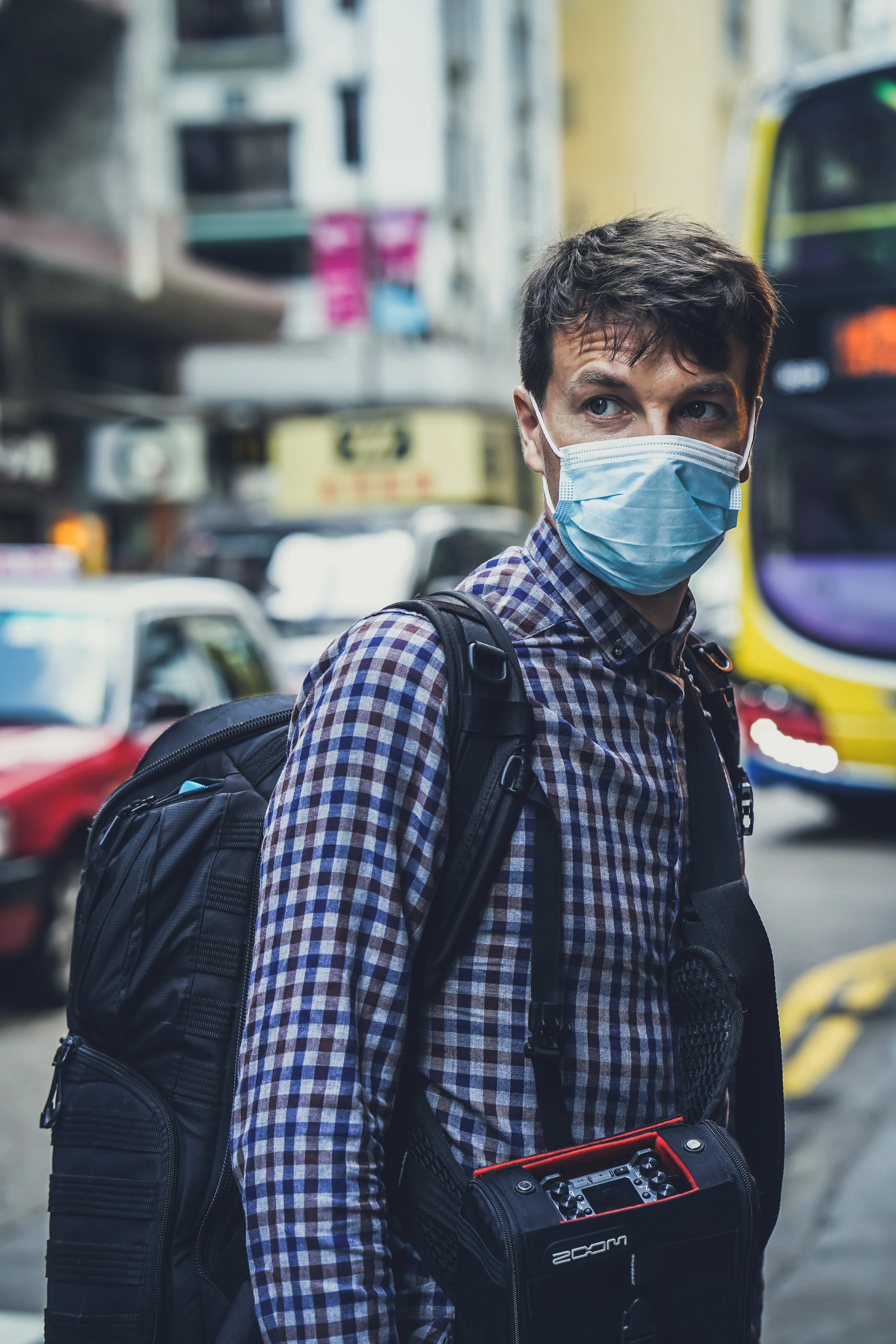
P2 masks are likely to provide some protection against the virus, but these must be fitted and worn properly. Ordinary masks do not protect against the virus.
P2 masks are not recommended for this purpose outside the health care setting. People who think that they might be infected with novel coronavirus should wear a surgical mask (or P2 mask) in order to reduce the risk of transmitting the virus to anyone else.
Is there a cure or vaccine?
Currently there are no available vaccines that protect against coronaviruses.
There is no specific treatment. Most of the time, symptoms will go away on their own. People who have serious disease with complications can be cared for in hospital.
Are people in Victoria at risk?
As at 27 January 2020, there has been at least one confirmed case of 2019-nCoV in Victoria, and at least 10 more cases are under investigation.
Victorian government authorities have developed and exercised a range of procedures for case finding, diagnosis, and contact tracing for high consequence infectious diseases (such as pandemic influenza, SARS, MERS, and emerging infections) should they occur in Victoria.
I have an overseas trip coming up. Should I cancel?
If you are heading overseas to destinations which may have been affected, check the advice on Smart Traveller.